




If your skin often feels reactive, looks uneven, or changes throughout the day, choosing a foundation can feel more complicated than it should be. Some formulas feel too heavy, some cling to texture, and others look good when first applied but wear unevenly after a few hours.
That is one reason serum-tinted foundation has become such a popular category. Many people are drawn to it because it is associated with lightweight texture, buildable coverage, and a more natural-looking finish than traditional full-coverage foundation.
But is serum foundation the right choice if your skin is prone to redness, visible texture, oiliness, or frequent breakouts? The answer usually comes down to the formula itself, the finish, and how it wears on your skin through the day.
This guide explains what serum-tinted foundation is, how it differs from traditional foundation, and what many people look for when choosing a lightweight base.
What Is a Serum Tinted Foundation?
A serum-tinted foundation is a base product that combines the fluid texture of a serum with the coverage of a foundation or skin tint. It is usually designed to feel thinner, lighter, and more flexible on the skin than a traditional full-coverage formula.
Most serum foundations are known for:
- lightweight wear
- buildable coverage
- a natural or skin-like finish
- easy blending
- skincare-infused formulation
That is what makes them appealing to people who prefer base makeup that feels more breathable and less heavy on the face.
Compared with traditional foundation, serum foundation often feels more fluid and less dense. Instead of creating a thick layer over the skin, it is meant to even out tone more softly while still looking natural.
Why Many People Look for Lightweight Base Makeup
A lightweight base is often preferred by people who want a foundation to feel more comfortable, look more natural, and wear more evenly through the day. This can be especially relevant if you are comparing options like a lightweight foundation for sensitive skin or a serum foundation for oily acne-prone skin and want something that feels flexible rather than heavy.
A lightweight base is often preferred by people who want makeup that:
- feels breathable through the day
- can be built up gradually
- does not look too thick on textured areas
- gives a more natural-looking result
This is especially true for people who are concerned about visible redness, uneven tone, post-acne marks, or patchiness and want a base that looks smoother without appearing overly full coverage.
Is Serum Tint Foundation a Good Option if You Prefer Lightweight Coverage?
For many people, yes. One of the main reasons serum tint foundations are so popular is that they usually offer a thinner texture and a more flexible finish than traditional fuller-coverage formulas.
A good serum foundation is often chosen for:
- light to medium buildable coverage
- a breathable feel
- a natural or satin finish
- easy everyday wear
Rather than covering the skin in one dense layer, it usually allows you to apply a small amount first and build only where you want more coverage. That makes it especially appealing to people who prefer a more skin-like result.
Can Serum Tinted Foundation Help Even Out Redness and Uneven Tone?
It often can. A tinted serum foundation for redness and acne is usually chosen because it can soften the look of uneven tone without creating the thick, flat finish that some fuller-coverage products can leave behind.
If your main goal is to make skin look more even, a serum-tinted foundation may help create a smoother overall appearance while still looking natural. This is one reason it is often used for:
- mild redness
- uneven tone
- post-blemish marks
- patchiness around the nose or cheeks
Because the coverage is usually buildable, it can also be easier to control how much product you apply in different areas of the face.
What Makes Serum Tinted Foundation Different From Traditional Foundation?
The biggest difference is usually the texture and finish.
Traditional foundations are often built around coverage first. Serum foundations are usually designed to feel lighter, blend more fluidly, and give a softer everyday finish.
Here is how they usually compare:
Texture
-
Serum foundation: thinner, lighter, more fluid
-
Traditional foundation: can feel denser or creamier depending on the formula
Coverage
-
Serum foundation: light to medium, usually buildable
-
Traditional foundation: medium to full in fewer layers
Finish
-
Serum foundation: natural, radiant, or satin
-
Traditional foundation: can range from matte to full coverage
Everyday wear
-
Serum foundation: often preferred for breathable daily makeup
-
Traditional foundation: often chosen for fuller coverage or occasion makeup
If you prefer makeup that feels lighter on the skin and looks less obvious, serum foundation may be worth considering.
What to Look for in a Lightweight Foundation
If you are choosing a lightweight base, it helps to look beyond the category name and pay attention to how the formula actually behaves.
Here is what many people look for:
1. A breathable texture
A thinner, more fluid formula often feels easier to wear for long hours than a dense or heavy base.
2. Buildable coverage
Instead of applying a lot of product at once, buildable coverage lets you start with a light layer and add more only where needed.
3. A skin-like finish
A natural or satin finish usually gives the most flexible everyday result. It tends to look more forgiving than something extremely matte or overly shiny.
4. Even wear through the day
A good lightweight base should continue to look smooth after a few hours, not just immediately after application.
5. Easy layering over skincare and sunscreen
Since most people wear foundation over moisturiser and sunscreen, the formula should sit evenly without separating too quickly.
Can Niacinamide in Serum Tinted Foundation Be a Useful Addition?
Many people are drawn to a serum-tinted foundation with niacinamide because niacinamide is a well-known skincare ingredient often associated with helping skin look more balanced and even over time.
In makeup, niacinamide can make a formula feel more aligned with skincare-infused makeup, which is part of why this category appeals to so many people. But it can never replace your actual skincare routine. Foundation is still makeup first, even when it includes skin-loving ingredients.
If you are already drawn to formulas that feel lighter and more skincare-led, this may be one factor you pay attention to when choosing between products.
What About Oily Skin or Shine Through the Day?
People comparing foundations for oily or combination skin are often looking for something that feels lightweight without becoming overly shiny too quickly.
If shine is a concern, it usually helps to look for:
- buildable coverage
- a natural or satin finish
- lightweight wear
- a formula that layers well over skincare
- foundation that still looks even after a few hours
For some people, lightly setting the T-zone with powder can also help balance wear without changing the finish everywhere else.
How to Apply Serum Tinted Foundation for a Natural-Looking Result
Application affects the finish just as much as the formula does.
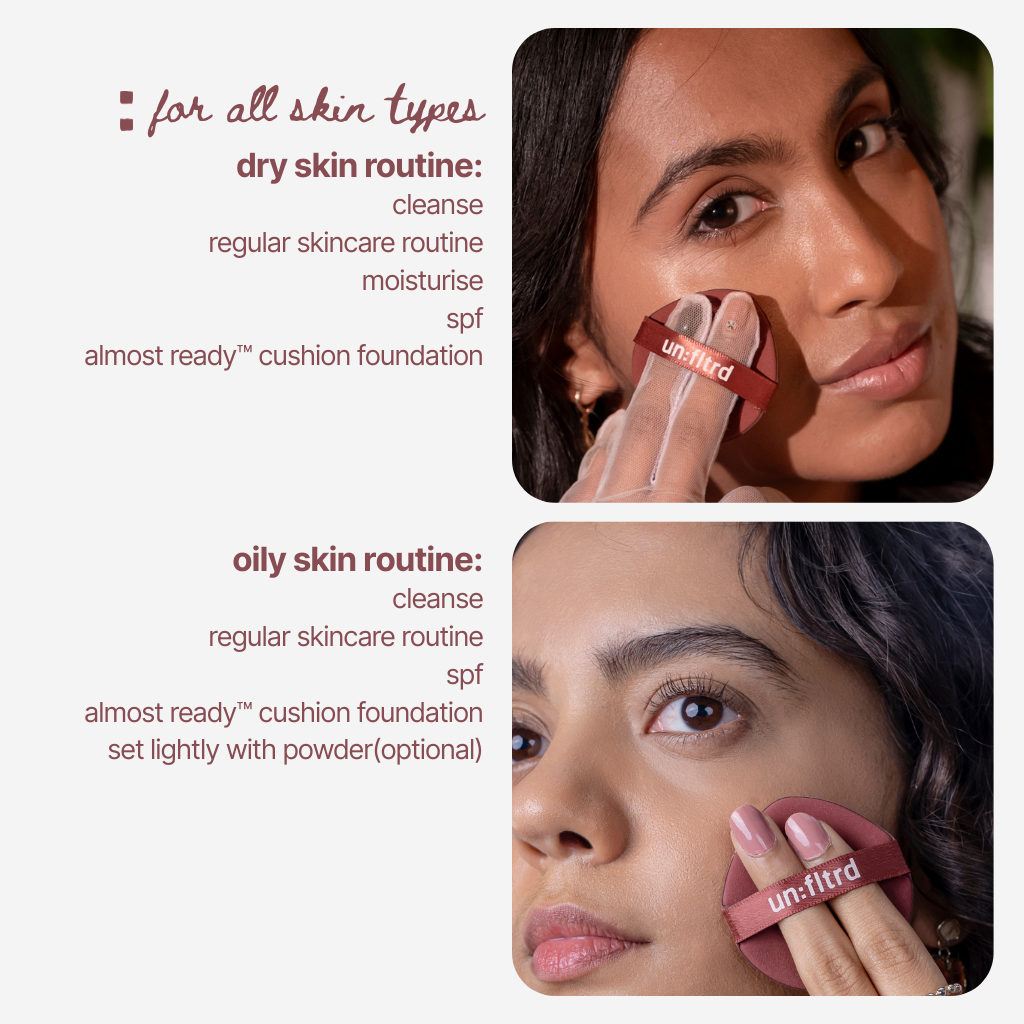
Step 1: Start with skincare
Apply moisturiser and sunscreen first, and let them settle before going in with foundation.
Step 2: Use a small amount
Serum foundations usually blend easily, so begin with a light layer.
Step 3: Blend gently
Use fingers, a sponge, or a puff depending on the texture and your preferred finish.
Step 4: Build only where needed
Add extra product only in areas where you want more evening out.
Step 5: Set selectively
If certain areas get oily throughout the day, lightly set only those areas with powder.
Common Mistakes to Avoid
When choosing or using a lightweight base, these are some of the most common mistakes:
Choosing the heaviest formula for the most coverage
More coverage is not always the same as a better everyday finish.
Using too much product at once
Even lightweight formulas can start to look thick if they are over-applied.
Picking a finish that does not match your preferences
Very matte formulas can look flat, while very dewy formulas may feel too shiny for some people.
Judging the foundation too quickly
Always check how the product looks after a few hours, not just right after application.
Ignoring how it layers with your skincare
Sometimes the issue is not just the foundation itself, but how it sits over the products underneath.
Skipping a patch test
If your skin is easily irritated or unpredictable, patch testing a new base product before full-face wear is always a smart step. A formula can look great on paper and still not suit your skin in practice.
Choosing the Right Foundation
If you are looking for a lightweight base, many people prioritize a formula that feels breathable, builds evenly, and looks natural on the skin through the day.
The best choice usually depends on texture, finish, coverage, and how the formula wears on your skin.
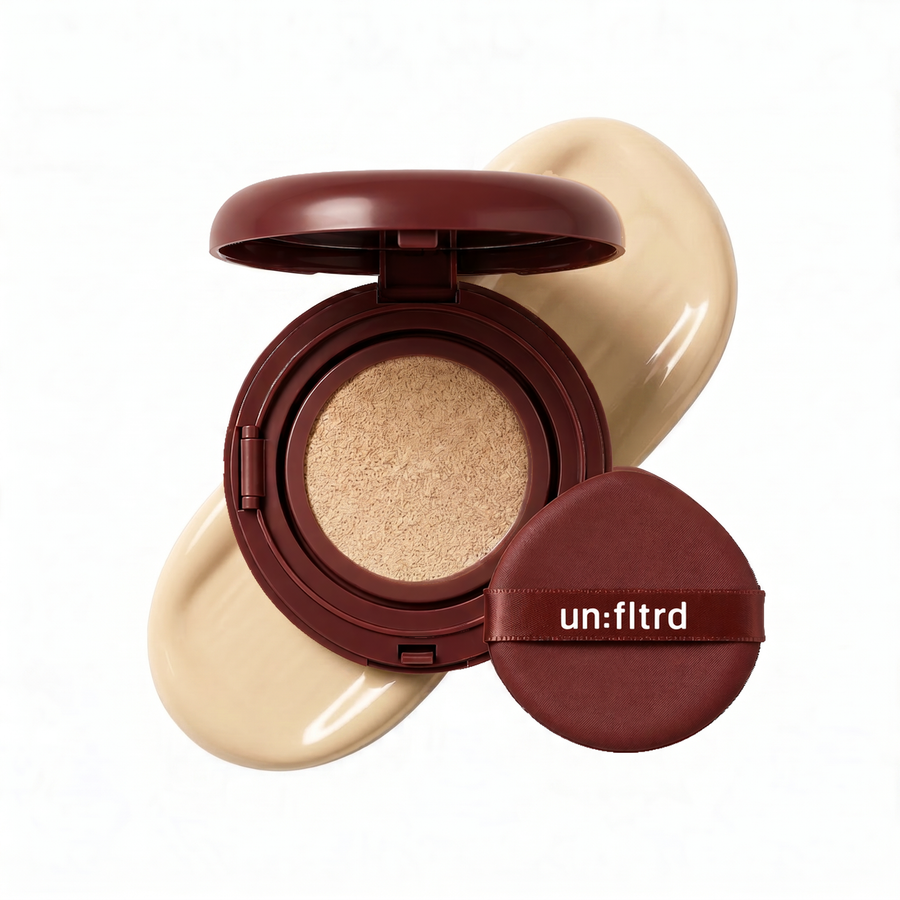
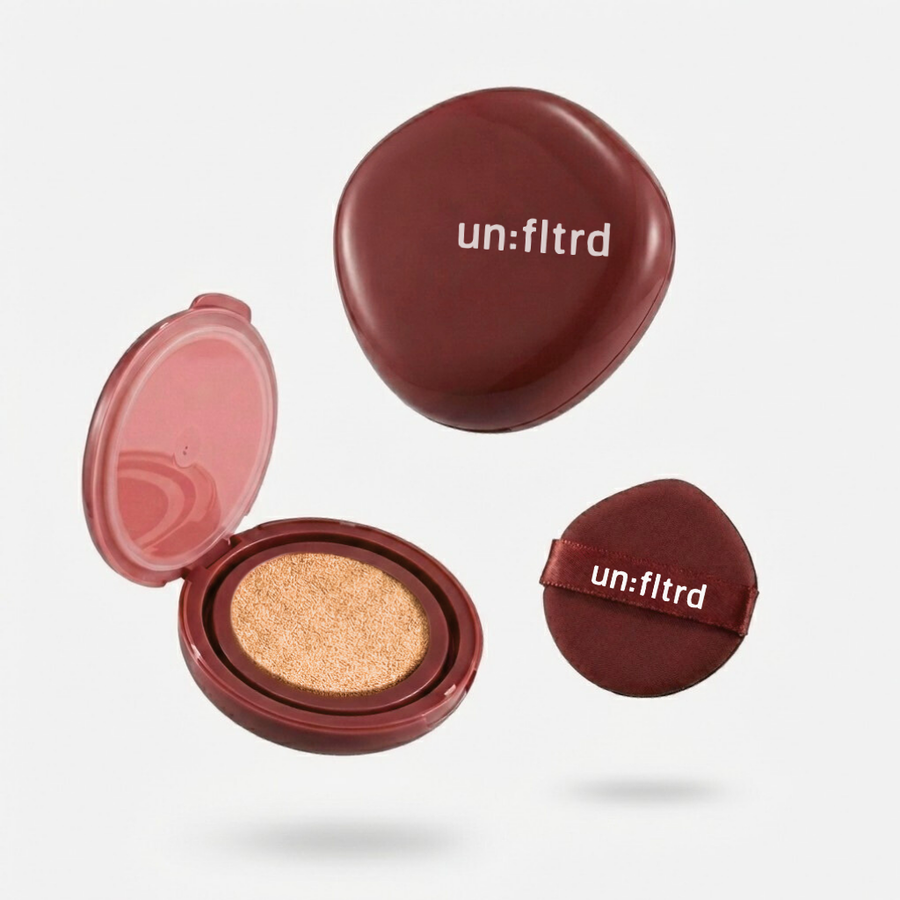
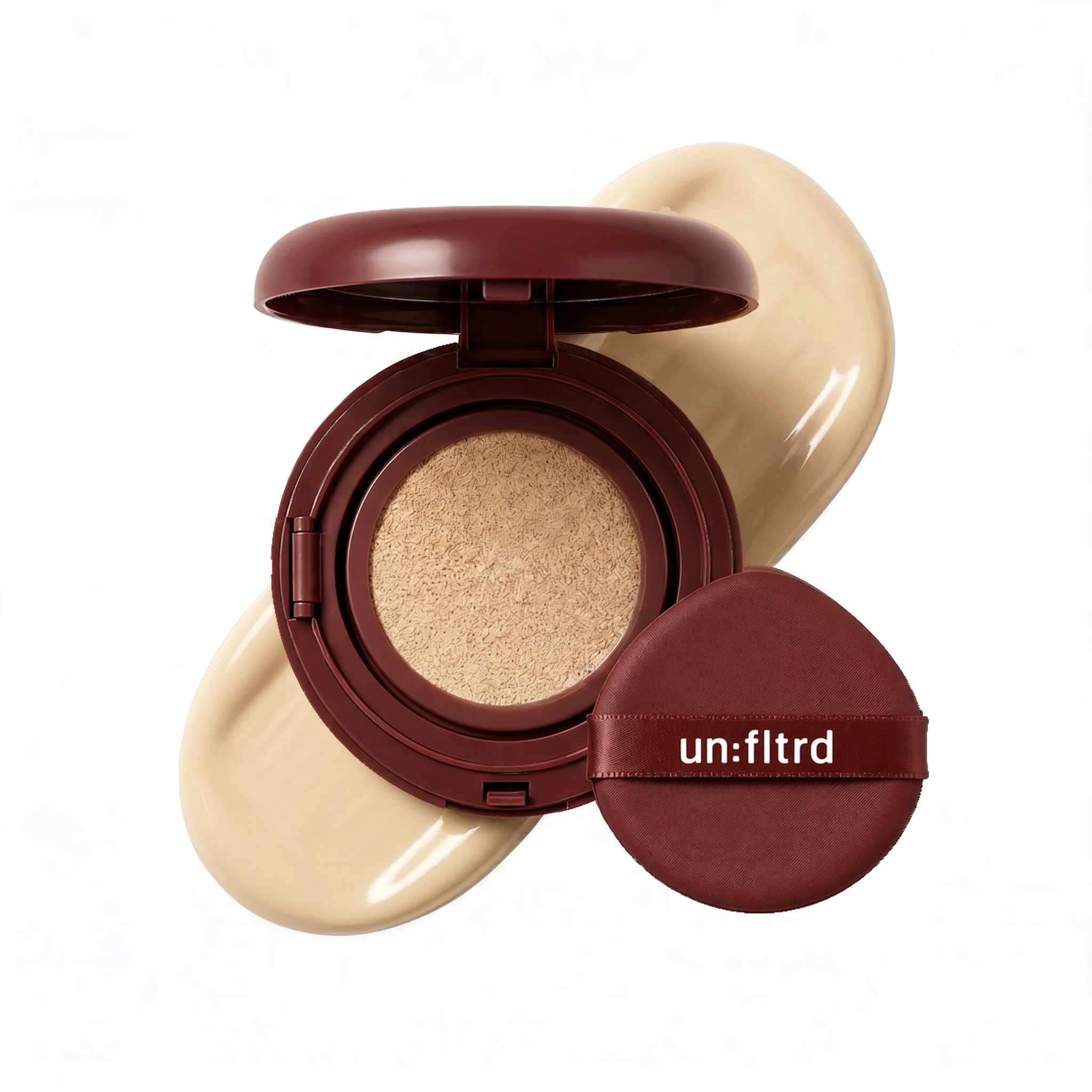
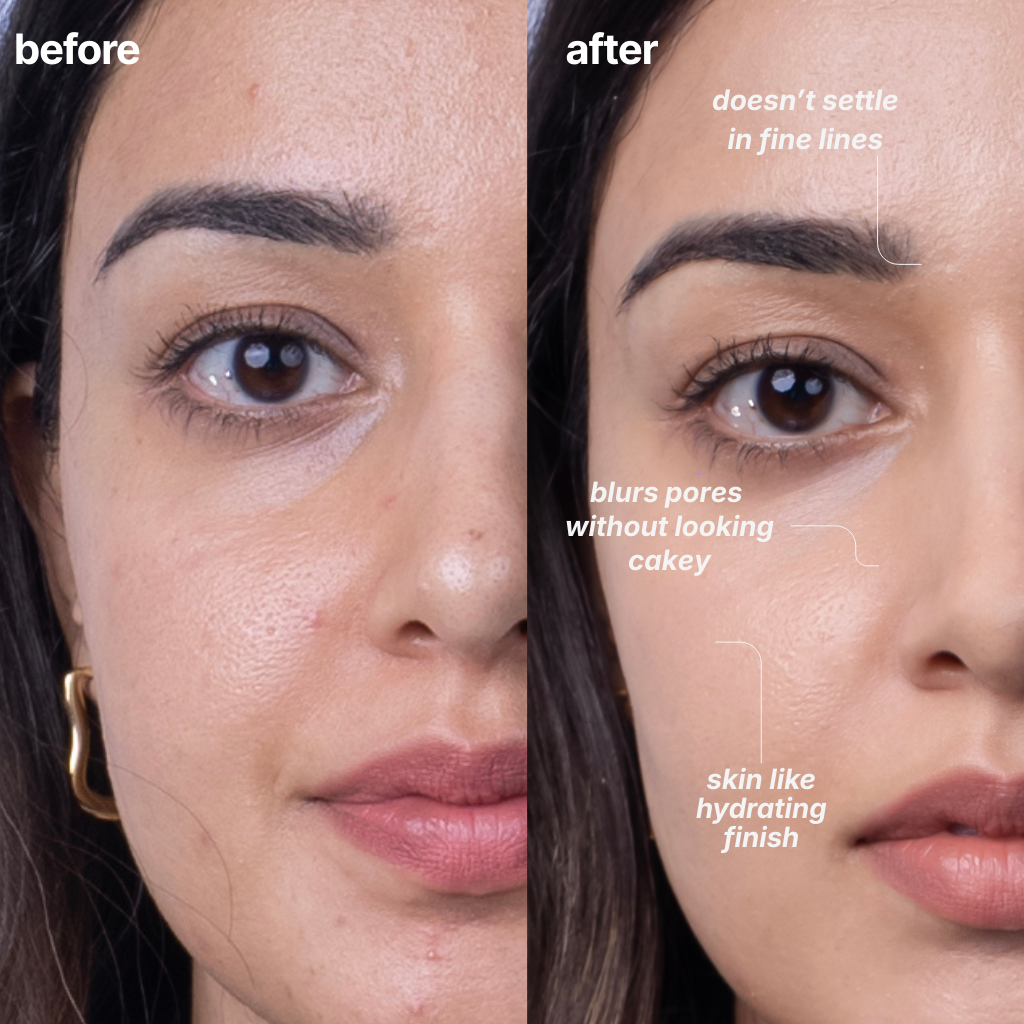
almost ready™ cushion foundation is designed for lightweight, buildable coverage with a breathable, skin-like finish. Its serum-infused, self-setting formula is made to wear comfortably in humidity while helping even out the look of redness and uneven tone.
Made with 78% hydrating ingredients, it is formulated with skin-loving ingredients like niacinamide, hyaluronic acid, panthenol, avocado oil, shea butter, licorice root, mulberry extract, and green tea extract. The goal is to give you makeup that feels comfortable on the skin while still delivering the coverage you want, without trying to replace your skincare routine. Even if makeup is skin-care infused, don’t forget that makeup can never replace your skin-care routine.
If you prefer a base that feels light on the skin and delivers natural-looking coverage, almost ready™ cushion foundation is a strong everyday option to consider.
Final Thoughts
Serum-tinted foundation appeals to many people because it combines lightweight texture with buildable coverage and a more natural-looking finish than traditional fuller-coverage formulas.
If you are comparing different base products, it helps to focus less on category names alone and more on how a formula feels, finishes, and wears on your skin throughout the day.
The right lightweight foundation is usually one that blends easily, looks even, and gives you the level of coverage you actually want for everyday wear.
FAQs
What is a serum-tinted foundation?
A serum-tinted foundation is a lightweight base product that combines the fluid texture of a serum with the coverage of a foundation or skin tint. It is usually designed to feel thinner and more breathable than a traditional full-coverage foundation.
How is serum foundation different from regular foundation?
Serum foundation usually has a thinner, more fluid texture and offers lighter, buildable coverage. Traditional foundation is often denser and may provide fuller coverage in one layer.
Can serum-tinted foundation help with redness and uneven tone?
It can help soften the look of redness and uneven tone by providing light to medium, buildable coverage that looks more natural than a heavier full-coverage base.
Is serum foundation better for oily skin?
Some people with oily skin prefer serum foundation because it feels lighter and more breathable. The finish and wear will still depend on the specific formula.
What should I look for in a lightweight foundation?
Look for a breathable texture, buildable coverage, a natural or satin finish, and a formula that wears evenly through the day.
Should I look for serum-tinted foundation with niacinamide?
If you prefer skincare-infused makeup, niacinamide may be one feature you look for when comparing formulas, along with texture, finish, and coverage, but note that it is not meant to replace your skincare routine.
Share
Read more
Best Foundation for Indian Skin
Foundation for Indian skin tone comes down to three things: reading your undertone correctly, picking the right coverage, and knowing what to avoid. Here's everything you need to match your shade, ...
Sweat Proof Foundation vs Waterproof Foundation: Which One Do You Need?
Not all long-wear foundations are built the same. If your makeup melts in humidity or slips by midday, the answer isn’t always “stronger"; it’s smarter. Learn the real difference between sweat-proo...